

Scientific name
Erysiphe spp., Podosphaera spp. and other powdery mildew fungi
Common Names
Powdery Mildew
Powdery Mildew is one of the most recognisable fungal diseases affecting ornamental plants, trees, shrubs, vegetables, fruit crops and some turf species throughout Australia. It develops during warm days and cool, humid nights, particularly where air circulation is poor and plants are overcrowded. Unlike many fungal diseases, powdery mildew does not require free water on leaves to infect. Symptoms begin as white, powdery patches on leaves, stems and flowers, which can spread rapidly, causing leaf distortion, yellowing, premature leaf drop and reduced plant vigour.
Similar Diseases
- Downy Mildew (Peronospora spp.)
- Grey Mould (Botrytis cinerea)
- Rust (Puccinia spp.)
- Leaf Spot (Cercospora spp.)
SCENARIOS AND SOLUTIONS
At the first signs of white, powdery growth: Apply Eco-Carb Organic Fungicide to control Powdery Mildew and protect healthy foliage.
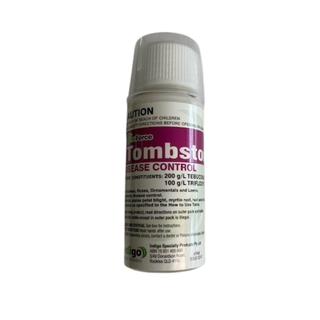
On roses, ornamentals and shrubs with recurring infections: Rotate ProForce Tombstone Duo Fungicide with Eco-Carb Organic Fungicide to improve disease management and reduce resistance pressure.
In nurseries and dense landscape plantings: Improve airflow, remove infected foliage and apply Eco-Carb Organic Fungicide preventatively during favourable conditions.
Where broad-spectrum disease protection is required: Apply ProForce Voltar 500SC Fungicide as part of a preventative fungicide program, rotating with Eco-Carb Organic Fungicide where appropriate
References
https://www.agric.wa.gov.au/plant-diseases/powdery-mildew
https://www.rhs.org.uk/disease/powdery-mildews
https://extension.umn.edu/plant-diseases/powdery-mildew-flower-garden