

Whether you’re a professional landscaper, groundskeeper, agricultural operator or a keen home gardener, selecting the right sprayer for applying chemicals like herbicides, fungicides, insecticides or fertilisers can make a major difference to the effectiveness, safety and efficiency of your work. With a wide range of products available from suppliers like StrataGreen, understanding features, capacities and attachments will help you make the best choice for your needs.
Why Choosing the Right Sprayer Matters
Spraying chemicals isn’t simply about dumping liquid from a bottle - it’s about precision, coverage, safety and chemical compatibility. Using the wrong sprayer can result in uneven application, wasted product, damaged plants, increased chemical exposure risk, and poor results.
Different chemicals, whether herbicides for weeds, insecticides for pests, fertilisers for nutrition, or fungicides for disease control, often require specific pressure levels, spray patterns, and volumes for effective application. Matching those requirements with the correct sprayer means less waste and greater efficacy.
Key Considerations Before You Buy
-
Chemical type and viscosity
-
Area size and terrain
-
Pressure and spray pattern needs
-
User comfort and ergonomics
-
Attachment options and customisation
-
Budget and maintenance requirements
StrataGreen’s Spraying Equipment Categories
StrataGreen offers a comprehensive suite of spraying solutions tailored to different scales of work and types of chemical application.
Let’s break down what each category offers and how it fits into chemical application tasks.
1. Manual Sprayers - Best for Spot Treatments & Smaller Areas
Manual sprayers are hand-powered units that rely on pumping action to generate pressure. They’re versatile, affordable, and ideal for everyday gardening, small turf areas, spot weed control, or targeted soil treatments.

Types Within Manual Sprayers
-
Handheld and Trigger Sprayers: Lightweight and simple. Great for small gardens, potted plants and ornamental beds.
-
Knapsack Sprayers: Backpack-style tanks offering greater capacity (often 10-18L), ideal for annual beds, turf edges, shrubs and larger landscapes.
-
Pressure Pump Sprayers: Larger tanks with internal pressure systems (pump to pressurise), useful for consistent flow over mid-sized areas.
Examples from StrataGreen
-
Solo 15 Litre Knapsack Sprayer: A well-built, comfortable backpack sprayer with robust pump action for bigger jobs.
-
Solo 5 Litre Sprayer: A lighter option with shoulder straps, good for frequent use where less volume is needed.
-
Hills Trigger Sprayer (500ml): Budget-friendly and simple for small jobs.
-
Inter Pressure Sprayers and Swissmex Handhelds: Variety of builds and price points.
When Manual Sprayers Are Best
-
Spot spraying weeds or pests close to footpaths and garden beds
-
Applying fungicides or fertilisers in smaller areas
-
Nursery environments where delicate control is needed
-
When budget or portability is a priority
Pros & Cons
Pros: Affordable, low maintenance, easy to use
Cons: Not ideal for very large areas or high-volume spraying
2. Motorised Sprayers - Power for Larger Jobs
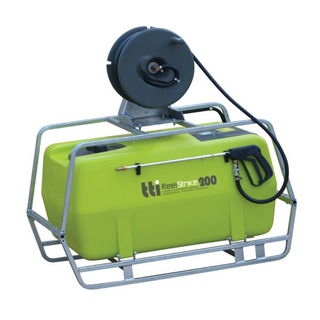
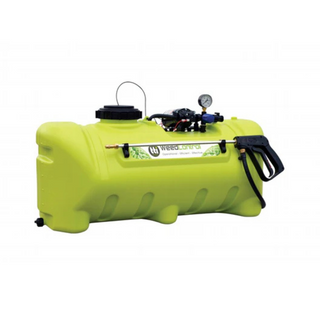
If your spraying needs cover large parks, commercial landscapes, agricultural plots, orchards, fences or long fence lines, motorised sprayers bring power and consistency to your work. These units have built-in pumps driven by petrol engines or 12V systems that deliver sustained pressure and high flow rates.

Key Features
-
Larger tank capacities (e.g., 200L models)
-
High-flow pumps for sustained pressure
-
Long hose reels and fittings for extended reach
-
Ideal for mounting on ATVs, trailers or work vehicles
Examples from StrataGreen
-
ReelStrike 12V Sprayer with Reel (200L): Heavy-duty setup with hose reel for long-distance work.
-
SpotPro Spot Sprayer - 200L: Consistent pressure for broad spraying tasks.
-
WeedMasta 16 Litre Knapsack/Trolley Sprayer: A hybrid option for medium-sized sites.
-
Trans Tank 12V ATV Spot Sprayer: Designed for off-road spraying flexibility.
When Motorised Sprayers Are Best
-
When covering large sites like farms, estates or golf courses
-
Applying herbicides or fertilisers over wide turf areas
-
Long-duration spraying requiring consistent pressure
-
When carrying heavy manual sprayers would be too taxing
Pros & Cons
Pros: Fast application, high coverage, more consistent pressure
Cons: Higher cost, requires power/fuel, may need more maintenance
3. Spraying Accessories - Customise and Maintain Your Gear
The right accessories don’t just enhance performance, they can make spraying safer, more precise, and more efficient. StrataGreen’s accessories category includes essential attachments and spare parts to extend the capability of your sprayers.

Common Accessories
-
Nozzles and Spray Lances: Adjustable or specialised nozzles let you tailor spray patterns (fine mist, fan spray, cone spray, etc.) for different chemicals and coverage needs.
-
Spray Booms: Multi-nozzle bars for wide coverage, especially useful in turf or orchard work.
-
Hose or Extension Tubes: Give extra reach for hard-to-access areas.
-
Service Kits and Seals: Keep pumps and valves in top condition, essential for chemical-resistance and longevity.
-
Measuring Tools (e.g., Buckets, Funnels): Crucial for accurate mixing and dilution of chemicals before spraying.
Why Accessories Matter
Attachments allow you to adjust spray patterns based on the chemical being applied. A herbicide might need a coarse spray to avoid drift, while a fungicide for foliar disease may require a fine mist for even coverage. Accessories also make maintenance easier, replacing worn seals or nozzles keeps your sprayer performing as intended.
Matching Sprayer Features to Chemical Needs
Now that you know the categories, let’s look at how to match sprayers and attachments with different chemical types.
Herbicides (Weed Killers)
-
Often require wide, even coverage over ground or turf.
-
Motorised sprayers with boom attachments help spread herbicide evenly over large areas.
-
Use fan or adjustable nozzles to balance coverage and avoid drift.
-
Manual knapsack sprayers work well for spot treatment in smaller gardens.
Insecticides
-
Target pests often live on leaves or stems, precision helps.
-
Fine nozzles and adjustable spray wands help ensure chemicals reach the right surfaces without wastage.
-
For small to medium areas, quality manual sprayers are often best.
Fungicides
-
Usually applied as a fine spray to foliage so coverage matters more than volume.
-
Sprayers with pressure control and adjustable nozzles are ideal, you want to reach all leaf surfaces.
-
For larger areas, motorised units with consistent pressure make the job easier.
Fertilisers & Growth Regulators
-
Coverage and consistent flow are key, especially with foliar fertilisers.
-
Motorised sprayers or larger knapsack sprayers with wide booms boost coverage.
-
Adjustable nozzles ensure even application without run-off.

Tips for Safe and Effective Chemical Spraying
1. Always Read Chemical Labels
Each chemical will specify compatible spray pressures, dilution rates, and safety gear. Follow those instructions closely to avoid damage or health risks.
2. Maintain Your Sprayer
-
Regularly check seals, nozzles and hoses.
-
Clean out tanks after use, especially when switching chemicals.
3. Wear Proper PPE
Chemical-resistant gloves, goggles and protective clothing are essential. Accessories like measuring buckets keep your hands away from direct chemical contact.
4. Match Spray Pattern to Task
-
Cone nozzles for targeted, vertical sprays
-
Fan nozzles for wide, ground-level coverage
-
Booms for large turf areas
5. Know Your Area
Large fields benefit from motorised gear; small gardens are often best with manual sprayers.
Conclusion
Choosing the right sprayer isn’t just about price, it’s about matching the tool to the task and the chemical you’re applying. StrataGreen’s range of manual sprayers, motorised sprayers and accessories gives you the flexibility to handle a wide range of spraying needs, from small garden jobs to large commercial landscapes.
By selecting the correct sprayer type, adding appropriate attachments (nozzles, wands, booms), and maintaining your gear properly, you’ll achieve safer, more effective, and more efficient chemical application every time.
If you’re unsure what setup is best for your particular chemicals or site conditions, don’t hesitate to contact us. We can help you match products to your unique requirements.