

Spring brings warmer soil, longer days and a burst of new growth, and pests know it too. As plants push out tender new shoots and buds, insect populations that have been dormant or slow-moving through winter start to build quickly. The gap between "a few bugs on one plant" and "a full-blown infestation" can close in a matter of weeks, which is why spring is the single most important season to be watching your garden closely and acting early.
The good news is that early intervention is usually simple. Most of the pests that cause serious damage later in the season are far easier to control while numbers are still low. This guide walks through the garden pests most active in spring, how to identify them before they get out of hand, and which treatments and equipment make the job straightforward.
Why early identification matters more in spring than any other season
Many common garden insects reproduce rapidly once temperatures warm up. Aphids, for example, can give birth to live young without mating when conditions are favourable, and multiple generations can occur within a single growing season. A handful of aphids on a rose bud in early spring can become a colony coating the entire shoot within a couple of weeks if left untreated.
The same logic applies across most spring-active pests: populations start small, then scale exponentially. Catching the problem in its early stages, while it's still contained to one plant or one garden bed means a lighter, more targeted treatment does the job. Waiting until damage is obvious usually means a bigger infestation, more plant stress, and a more intensive spray program to bring it back under control.
Common garden pests to watch for this spring
Aphids
Aphids are small, soft-bodied, sap-sucking insects that attack a wide range of ornamentals, vegetables, fruit trees and shrubs, and they're particularly active in spring when new growth is abundant. Look for clusters of tiny green, black or yellow insects on new shoots, flower buds and the undersides of leaves, along with curled or distorted leaves and a sticky residue (honeydew) that can attract ants and encourage sooty mould.
Because aphid colonies can explode quickly once established, they're a textbook case for early treatment. A contact insecticide gives fast knockdown on exposed colonies, while a systemic option protects new growth as the plant takes it up, which is useful for ongoing protection through the rest of spring.
Snails and slugs
Cooler, damp spring mornings are prime conditions for snails and slugs, and Western Australian gardens in particular see strong activity through autumn, winter and into spring. These pests shelter during the day under mulch, pots and dense ground cover, then emerge at night or after rain to feed, often chewing irregular holes through leaves and flowers, or wiping out young seedlings overnight.
Because damage tends to happen unseen, the best approach is proactive: apply bait around vulnerable seedlings and garden beds before wet weather arrives, rather than waiting until the damage is already done.
African black beetle (and other turf grubs)
If your lawn starts showing yellowing patches, thinning turf, or areas that lift away from the soil with little resistance, African black beetle could be the culprit. Adult beetle activity increases through spring and summer, with the white curl grub larvae doing the real damage underground as they feed on roots and crowns. Left unchecked, a heavy infestation can turn healthy turf into dead patches within a season.
Early-season treatment aimed at adult beetles before egg-laying begins is far more effective than trying to treat established curl grubs later in the year.
Treating spring pests: matching the product to the problem
The Insecticides & Pesticides range covers sprays, granules and baits suited to exactly these kinds of spring pest pressures, whether you're treating a home garden bed, nursery stock, or turf on a larger site.
A few practical pairings worth knowing:
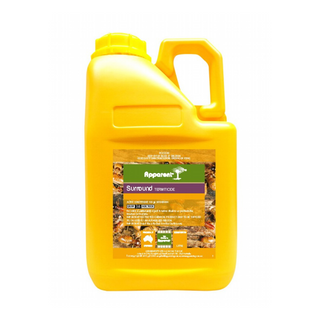
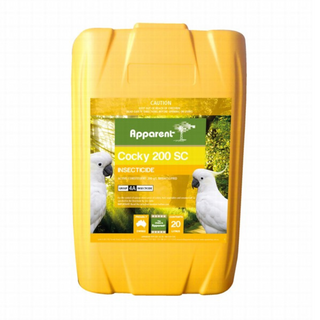
- For aphids on roses, ornamentals and shrubs, a fast-knockdown option like Apparent Surround Bifenthrin 100SC clears exposed colonies quickly, while Apparent Cocky 200 works systemically to protect new growth as aphids continue to feed.
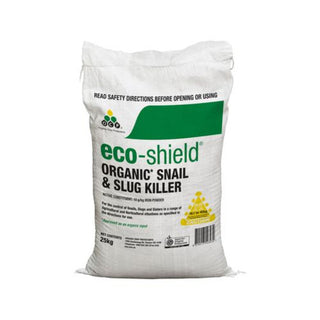
- For snails and slugs around seedlings, garden beds and newly planted areas, a bait such as Eco-Shield Snail & Slug Killer placed ahead of wet weather helps intercept the problem before it reaches your plants.
- For lawns and turf showing early signs of beetle or grub activity, targeted turf insecticides can knock back adult populations before eggs are laid, which is a far more efficient use of product than trying to treat larvae once they're already established underground.
If you're dealing with a pest that doesn't fit neatly into one of these categories, the Pest Solution Finder is a handy reference, it covers identification, lifecycle and damage patterns for the pests most commonly seen in Australian gardens and landscapes, along with suggested treatments for each.
Getting the application right: equipment matters
Even the right product won't perform well if it's applied unevenly or with the wrong equipment. For most home gardens and smaller landscape beds, a hand-pumped or knapsack-style sprayer from the Manual Sprayers range gives you the control needed for spot treatments on aphid colonies, individual shrubs or garden beds, without the cost or complexity of powered equipment.
For larger properties, turf areas or ongoing seasonal spray programs, a sprayer from the Motorised Sprayers range delivers more consistent pressure and coverage across bigger areas, which matters when you're treating an entire lawn for turf grubs rather than a single garden bed.
Whichever you choose, a clean, well-maintained sprayer with the correct nozzle for the product you're using makes a real difference to how evenly the treatment is applied and how much product you actually need.
Don't skip the safety basics
Insecticides are effective precisely because they're active ingredients, which means they deserve a bit of care in handling. Before spraying, it's worth having a proper pair of chemical-resistant gardening gloves on hand, along with eye protection from the Safety Glasses range if you're mixing concentrates or spraying overhead. Always read the product label for specific handling and re-entry instructions, and store any leftover chemical securely out of reach of children and pets.
A season-long approach beats a single spray
Spring pest pressure doesn't arrive all at once, it builds in waves as different insects become active through the season. Rather than treating spring spraying as a one-off task, it's worth building it into your regular garden routine: check new growth for early signs of aphids every week or two, keep an eye on turf for the first hints of thinning or yellowing, and apply snail and slug bait proactively ahead of wet weather rather than reactively after the damage is done.
Combined with good garden hygiene, removing hiding spots like dense mulch and clutter where pests shelter, and keeping plants well-fed so they can shrug off minor feeding damage, early, targeted insecticide use will keep your garden moving into summer strong, rather than playing catch-up on damage that could have been avoided in spring.
Not sure which product suits your situation? Contact our team today to match the right insecticide and application method to your garden or site, or book a no-obligation consult for larger landscaping and turf projects.