

Latin name: Siphonaptera (order)
Fleas are common parasites found throughout Australia and are most frequently associated with pets, wildlife, and warm-blooded animals. They are a persistent pest in residential, commercial, and strata environments, particularly where pets, rodents, or wildlife are present.
Fleas are blood-feeding insects that rely on animal or human hosts for survival. While adult fleas live on hosts, the majority of a flea infestation—eggs, larvae, and pupae—exists in the surrounding environment, making control challenging without a comprehensive approach.
Flea activity increases during warmer months. In Western Australia, spring and summer conditions accelerate flea development, allowing populations to build up rapidly if not addressed early.
Lifecycle
The flea lifecycle consists of egg, larva, pupa, and adult stages and can be completed in as little as 2–4 weeks under favourable conditions.
- Adult fleas lay eggs on the host, which fall into carpets, bedding, cracks, and soil
- Eggs hatch into larvae that feed on organic debris and flea droppings
- Larvae spin cocoons and enter the pupal stage
- Adult fleas emerge in response to heat, vibration, and carbon dioxide from passing hosts
Pupae can remain dormant for extended periods, allowing infestations to reappear suddenly.
Identification
- Small, wingless insects measuring 1–3 mm long
- Flattened side-to-side, allowing movement through fur or fibres
- Dark brown to black in colour
- Powerful hind legs adapted for jumping
- Difficult to catch due to rapid movement
- Often identified by pet scratching or flea dirt (black specks)
Fleas are rarely seen in large numbers unless infestations are well established.
Damage
Fleas cause irritation and health concerns for both humans and animals.
- Painful, itchy bites, often clustered around ankles and lower legs
- Skin irritation, rashes, and secondary infections from scratching
- Flea allergy dermatitis in pets
- Anaemia in young or heavily infested animals
- Transmission of tapeworms and other pathogens
Infestations can persist indoors long after pets have been treated if the environment is not managed.
SCENARIOS AND SOLUTIONS
Inside homes with active flea infestations: Apply Temprid 75 Residual Insecticide to carpets, skirting boards and pet resting areas to control adult fleas and emerging insects.
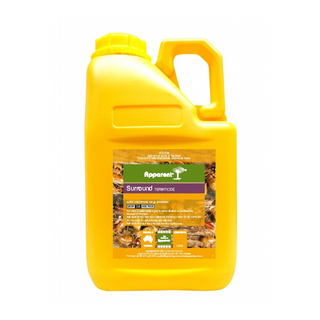
In outdoor pet areas and around building perimeters: Apply Apparent Surround Bifenthrin 100SC to shaded areas, under decks and around kennels where fleas commonly breed.
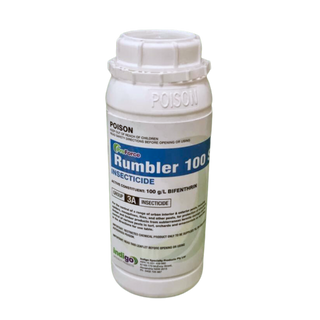
For lawns and landscaped areas with persistent flea activity: Apply ProForce Rumbler 100SC to help control fleas in outdoor environments frequented by pets.
Where rapid knockdown of active fleas is required: Apply Apparent Surround to labelled indoor or outdoor harbourage areas as part of an integrated flea management program.
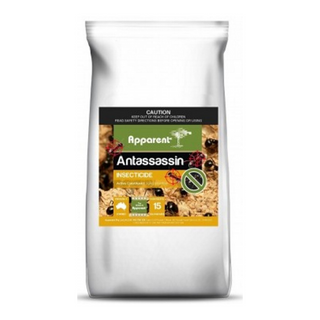
For severe or recurring flea infestations: Treat pets appropriately (using veterinary-approved products), vacuum thoroughly, wash pet bedding in hot water, and combine Temprid 75 Residual Insecticide with Apparent Antassassin to help break the flea lifecycle in and around the home.