

Latin name: Gastropoda (class – includes numerous snail and slug species)
Snails and slugs are common pests throughout Australia, affecting home gardens, nurseries, commercial landscapes and agricultural crops. They are most active during cool, damp conditions and are particularly problematic in autumn, winter and spring across Western Australia.
These soft-bodied molluscs feed on a wide variety of plants, including vegetables, ornamentals, seedlings and turf. They are nocturnal, preferring to shelter during the day beneath mulch, rocks, pots, logs and dense vegetation before emerging at night or during wet weather to feed.
Slugs do not have an external shell, while snails carry a coiled shell that protects their soft body. Both pests can rapidly increase in number when moisture and food are readily available.
Lifecycle
Snails and slugs reproduce by laying clusters of eggs in moist, sheltered locations such as beneath mulch, leaf litter or in the soil.
- Eggs hatch into miniature snails or slugs.
- Juveniles begin feeding immediately on nearby vegetation.
- Growth continues over several months until adulthood.
- Adults can lay multiple batches of eggs each year under favourable conditions.
Warm, wet conditions encourage rapid population growth and prolonged activity.
Identification
- Soft-bodied molluscs measuring 10–50 mm or more, depending on species
- Snails have a spiral shell; slugs have no external shell
- Grey, brown, black or cream in colour
- Produce a distinctive silvery slime trail
- Most active at night, after rain or during overcast conditions
- Hide beneath mulch, rocks, pots, timber and dense ground cover during the day
Damage
- Irregular holes chewed through leaves and flowers
- Complete destruction of young seedlings
- Feeding damage to vegetables, herbs and ornamental plants
- Silvery slime trails on plants, paving and pots
- Contamination of edible crops
- Severe infestations can significantly reduce plant establishment and growth
SOLUTIONS
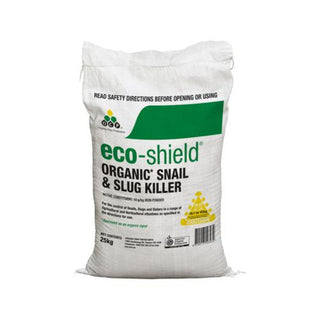
Around vegetable gardens and ornamental beds: Apply Apparent Snail & Slug Bait around susceptible plants before periods of wet weather.
In nurseries and newly planted landscapes: Broadcast Apparent Snail & Slug Bait around young seedlings to minimise feeding damage during establishment.
Around pots, mulch and shaded garden areas: Remove hiding places where practical and apply Apparent Snail & Slug Bait to reduce active populations.
Following rainfall or irrigation: Reapply Apparent Snail & Slug Bait according to the product label to maintain effective control during peak activity.
References
https://www.agric.wa.gov.au/snails-and-slugs
https://www.agriculture.gov.au/biosecurity-trade/pests-diseases-weeds/plant/snails
https://www.gardenorganic.org.uk/factsheet/slugs-and-snails