

Botanical name: Arctotheca calendula
Common Names
Capeweed, Cape dandelion
Capeweed is a widespread annual broadleaf weed found throughout Australia, particularly in lawns, pastures, roadsides, and disturbed soils. It is especially common across Western Australia during the cooler months, thriving in winter and early spring.
Capeweed is a low-growing, rosette-forming plant that spreads close to the ground, often forming dense patches that outcompete turf and other desirable plants. It establishes easily from seed and can quickly dominate open or weakened lawn areas.
The leaves are deeply lobed and covered with soft, white hairs, giving them a slightly grey-green appearance. Capeweed produces bright yellow daisy-like flowers with distinctive black centres, which are highly visible during flowering in spring.
This weed is highly adaptable and grows well in a range of soil types, particularly in compacted or nutrient-deficient soils. It is often an indicator of poor soil health, including low calcium levels and imbalanced soil conditions.
Capeweed spreads rapidly by seed, with each plant capable of producing a large number of seeds that remain viable in the soil for extended periods. This contributes to recurring infestations year after year if not properly managed.
Similar Species
Dandelion (Taraxacum spp.)
SCENARIOS AND SOLUTIONS:
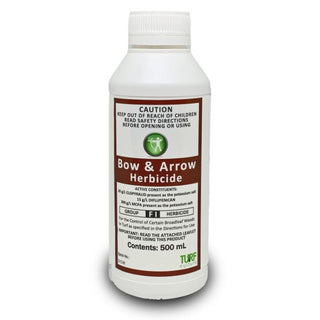
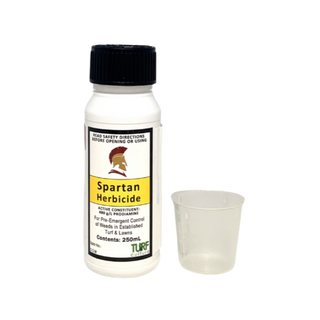
Lawns and turf areas: Use a selective broadleaf herbicide such as Apparent Bow and Arrow to target capeweed without damaging the turf. Also use pre-emergent such as Spartan Herbicide for prevention
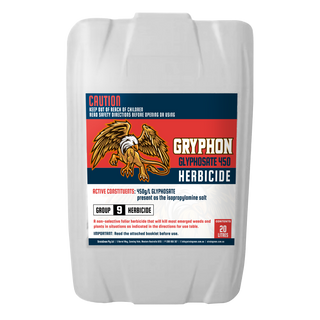
Disturbed soils, roadsides, and bare ground areas: Apply Apparent Glyphosate to control actively growing plants before seed set
Nutrient-poor or compacted soil: Combine herbicide treatment with soil improvement practices to reduce reinfestation