


When the wet season arrives across Australia, it brings with it one of the most persistent and costly challenges in landscape management: erosion. Heavy rainfall events can strip topsoil from embankments, wash out newly revegetated slopes, undercut garden beds, and send sediment into waterways within a matter of hours. For landscapers, council contractors, environmental managers, and site developers, having an erosion control strategy in place before the rain hits is not optional. It is the difference between a site that holds together and one that has to be rebuilt.
This article walks through why winter rainfall is such a significant erosion risk, how erosion actually happens, and what practical measures, products, and techniques can be used to protect landscapes before and during the wet season.
Why Winter Rain Is a Particular Erosion Risk
It might seem counterintuitive that rain, something landscapes need to survive, is also one of their greatest threats. The problem is not rainfall itself but the intensity, volume, and timing of it, and how prepared the soil surface is to receive it.
During summer, most Australian landscapes bake dry. By the time autumn arrives, topsoil is often hydrophobic, compacted, and low in organic matter. Newly planted or disturbed sites have minimal vegetative cover. Slopes are exposed. When the first heavy rains of winter arrive, water hits a surface that simply cannot absorb it fast enough. It runs off rather than soaking in, and as it moves across the soil surface it picks up fine particles and carries them downslope. This is how topsoil loss begins.
The mechanics of water erosion involve three stages: detachment, where raindrops physically dislodge soil particles on impact; transport, where surface runoff carries those particles across and down the slope; and deposition, where the sediment settles out in drainage channels, waterways, and low-lying areas. Every stage of this process can be interrupted with the right combination of ground cover, soil preparation, and physical erosion control products.
Compounding the problem, sites that are mid-construction or recently revegetated are the most vulnerable precisely when winter arrives. They have disturbed soil profiles, little to no established vegetation, and often significant areas of bare ground. Without active erosion control measures, these sites face the highest risk of significant soil loss.
The Damage Erosion Does Beyond Surface Soil Loss
The consequences of erosion extend well beyond the visible loss of topsoil, as significant as that is. On council and road construction sites, uncontrolled erosion leads to sediment entering stormwater systems and waterways, which creates compliance and regulatory issues, damages aquatic ecosystems, and can result in costly remediation requirements. On revegetation sites, eroded topsoil takes with it the seed bank, organic matter, and soil biology that native plants rely on to establish. What looks like a minor washout event can set a revegetation project back by a full season or more.
For private and commercial landscaping, erosion during heavy rain can destabilise embankments, undercut retaining walls, and ruin lawns and garden beds that took considerable time and investment to establish. Addressing the damage after the fact is always more expensive than preventing it in the first place.
Assessing Your Site's Erosion Risk Before Winter
Not every site presents the same level of risk, and understanding where the vulnerabilities are helps prioritise where to focus your erosion control efforts. The factors that most significantly increase erosion risk include slope steepness and length, percentage of bare or disturbed soil, soil texture (sandy and silty soils are particularly erodible), proximity to waterways or drainage points, and the degree to which vegetative cover is established.
A walk-through of the site before the wet season with these factors in mind will quickly reveal where protective measures are most urgently needed. Steep batters with little ground cover are the most critical areas. Low-lying zones that collect runoff need attention too, since sediment-laden water concentrating in these areas can cause significant deposition and drainage problems.
Biodegradable Erosion Control: Working with Nature
One of the most effective and environmentally sound approaches to erosion control involves biodegradable materials that physically protect the soil surface while breaking down over time to contribute organic matter to the ground. These solutions are particularly well suited to revegetation sites, road corridors, council landscaping, and any project where a degree of self-sufficiency in the landscape is the long-term goal. The Biodegradable Erosion Control range covers the key product types used across professional erosion control work in Australia.
Jute and Coir Matting
Erosion control blankets made from natural fibres such as jute and coir are among the most widely used slope protection products in the industry. Laid directly over seeded or planted soil on slopes and embankments, they physically intercept raindrops before they can dislodge soil particles, slow the movement of surface water, and hold seed and topsoil in place while vegetation establishes underneath.
Jute matting is a strong performer on moderate slopes where temporary protection is needed while native or ornamental vegetation takes hold. It degrades naturally over one to two seasons, by which point the plant cover underneath should be providing sufficient stabilisation on its own.
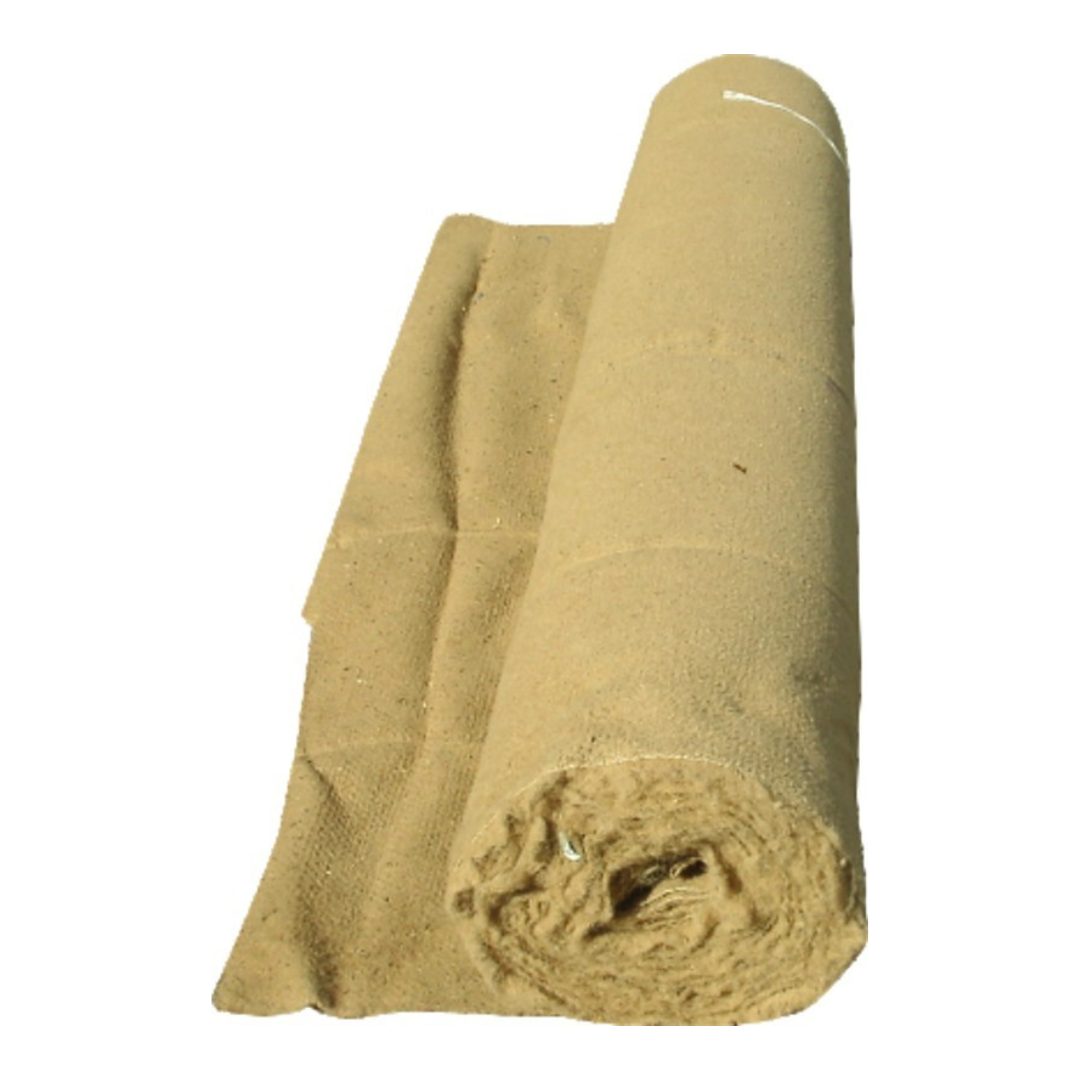
Coir mesh matting is a heavier-duty option made from coconut fibre, with superior strength and longevity suited to steeper slopes and higher-rainfall environments where jute would degrade too quickly to do the job.
Equally important to the matting itself is correct installation. Erosion control blankets must be pinned firmly to the soil surface using appropriate ground staples or biodegradable pins to prevent wind lift and ensure full contact with the ground. The Fixing Pins range includes both steel ground staples and biodegradable pin options to suit different site conditions and sustainability requirements.
Coir Logs for Sediment Capture and Waterway Protection
On sites where runoff is channelled, where slopes meet drainage lines, or where waterways need protection from incoming sediment, coir logs are an extremely effective tool. Placed perpendicular to the direction of flow, they slow water velocity, trap sediment before it can travel further downslope, and create conditions that encourage vegetation to establish in their immediate vicinity.
Coir logs are made from densely packed coconut fibre wrapped in a biodegradable mesh. They are robust, easy to install, and gradually break down, enriching the soil with organic matter. They are widely used in council open space and revegetation projects, along roadside drainage lines, and adjacent to waterways where sediment management is a regulatory requirement. They are available in a range of diameters to suit different flow volumes and site conditions.
Hessian Sandbags and Rolls for Flexible Sediment Control
For temporary sediment barriers, particularly around drain inlets, at the base of slopes, or along the perimeter of disturbed work areas, hessian sandbags and hessian rolls are a practical, low-cost solution. They are quick to deploy, easy to reposition as site conditions change, and fully biodegradable once the project is complete.
Hessian sandbags are a staple on construction sites and in emergency erosion response situations, available individually so they are easy to order in whatever quantity a project requires. Rally Hessian Rolls offer a versatile sheet form that can be cut to size and shaped to protect bare soil areas, line channels, or wrap around structures that need temporary shielding from erosion.
Synthetic Erosion Control for Permanent and High-Load Sites
While biodegradable products are the right fit for most revegetation and landscaping applications, some sites require more durable, long-term solutions. Roads, steep engineered batters, heavily trafficked slopes, and areas with persistent high-velocity water flow may need synthetic erosion control that remains in place indefinitely rather than breaking down over time.
The Synthetic Solutions range addresses these more demanding site conditions, including turf reinforcement mats and cellular confinement systems designed to stabilise soil under load and at high flow rates while still allowing vegetation to establish through them.
Silt fencing is another essential tool in the synthetic category. Designed as a perimeter control measure, silt fence is installed at the downslope boundary of disturbed areas to filter sediment from runoff before it leaves the site. TerraMaxx Silt Fence is a proven choice for construction site perimeter control, designed to handle the sediment loads generated by typical earthworks and construction activity.
Soil Stabilisation as an Erosion Control Strategy
Sometimes the most effective erosion control measure is not a physical barrier or blanket but a treatment applied directly to the soil surface to bind particles together and increase resistance to detachment. Soil stabilisers are particularly useful in areas where matting or blankets cannot easily be installed, such as steep or irregular terrain, or where temporary protection is needed over large areas between stages of a project.
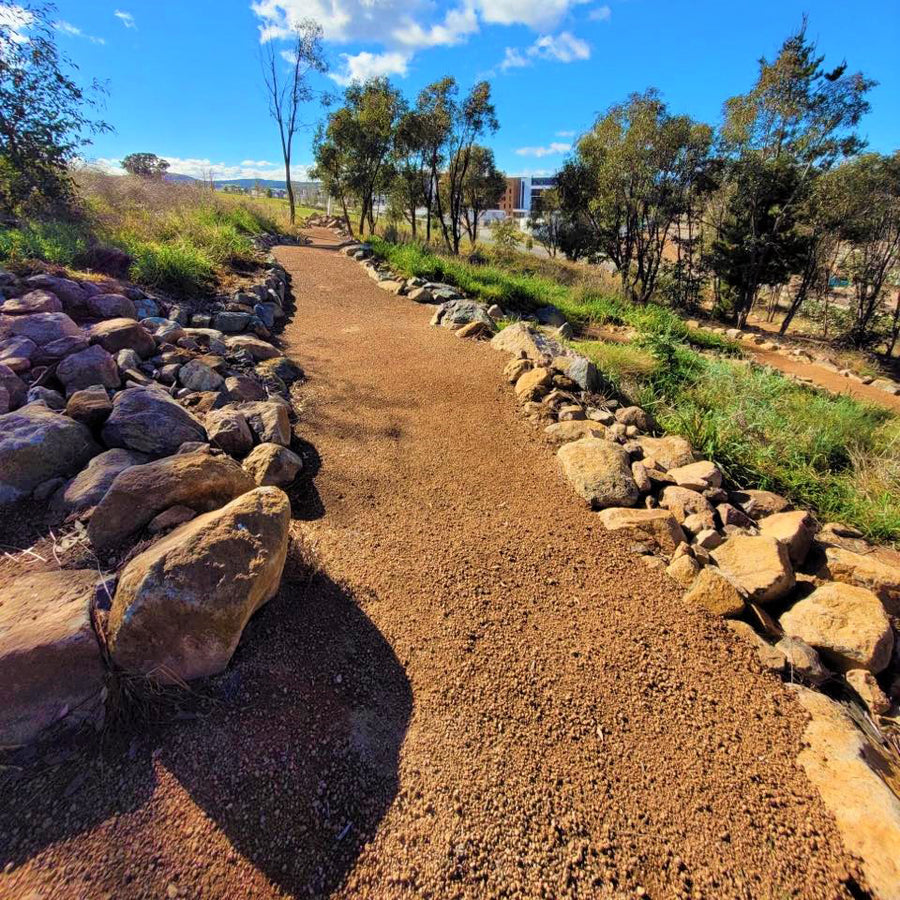
SoilGlu Soil Stabiliser is a liquid polymer-based product that binds soil particles at the surface to create a light crust that resists the impact of rainfall and reduces the detachment phase of erosion. It is suitable for use on embankments, exposed topsoil areas, and disturbed sites where rapid surface protection is needed, and can be applied by sprayer, making it practical across large areas in a short time frame.
The Role of Vegetation in Long-Term Erosion Resistance
No erosion control system is truly complete without vegetation. Established plants are the most effective long-term erosion control tool available, because their root systems physically bind soil particles together deep in the profile, their canopy and leaf litter intercept rainfall before it hits the soil surface, and their ongoing presence keeps the soil biologically active and structurally stable.
This is why revegetation and erosion control are so closely linked in professional practice. The erosion control products discussed in this article are all, in one way or another, tools to protect the site long enough for vegetation to establish. Once a good cover of plants is in place, the site becomes largely self-protecting.
For projects where revegetation is the end goal, combining erosion control blankets and coir logs with a well-considered planting programme gives the best possible outcome. The Revegetation & Tree Planting range includes tree guards, stakes, ties, and ancillary planting supplies to support plant establishment on sites where erosion control work is already underway. Pairing physical erosion protection with quality revegetation supplies creates a system where each component supports the other.
Drainage: The Often-Overlooked Part of Erosion Control
Managing how water moves across a site is just as important as protecting the soil surface itself. Even with excellent ground cover and erosion control blankets in place, poorly managed drainage can concentrate flows into channels that rapidly erode unprotected areas. Erosion control planning should always consider where water will go when it runs off, and ensure that drainage paths are either protected or directed to appropriate outlets.
The Drainage Solutions range within the Geosynthetics & Drainage Products category includes products suited to managing subsurface and surface drainage on landscaping and civil construction sites. Pairing drainage management with surface erosion control creates a far more resilient site than either approach achieves alone.
Timing Matters: Get Ahead of the Rain
The single most important factor in effective winter erosion control is timing. Erosion control measures installed after a significant rain event are reactive, and the damage is already done. Measures installed before the wet season arrives are proactive and protect the site through whatever the winter throws at it.
Ideally, erosion control products should be installed as soon as disturbed or vulnerable areas are identified, and no later than the onset of the wet season. For most of southern Australia, this means having erosion control work completed by late autumn at the latest. In tropical and subtropical regions where the wet season can arrive earlier and more intensely, the timeline may need to be brought forward further still.
Leaving erosion control until the forecast shows rain on the way is always a compromise. Products installed under time pressure, in wet conditions, with inadequate pinning or preparation will not perform as well as those installed methodically in dry conditions with proper site assessment completed first.
Protecting What You've Built
Landscapes take time, investment, and expertise to create. A single heavy rain event on an unprotected site can cause damage that takes months to repair and costs significantly more to fix than prevention would have. Whether you are managing a large civil construction site, a council revegetation programme, or a residential landscaping project, getting erosion control right before winter is one of the best investments you can make in the longevity of the site.
Need help choosing the right erosion control products for your site? Contact our team today for expert advice tailored to your project, or explore the full Erosion Control range and order with Australia-wide delivery.